

08-26

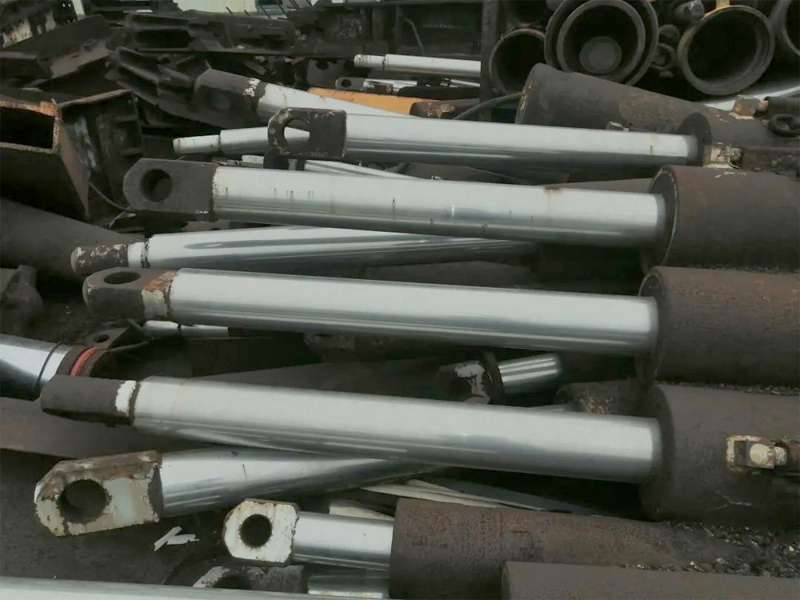
According to manufacturers of hydraulic rod laser cladding, there are various forms of laser cladding, such as single pass, multi-pass overlapping, single layer, and multi-layer superposition. The specific form used depends on the specific size requirements of the coating. Multi-pass overlapping and multi-layer superposition can prepare large-area and thick cladding layers.
08-16
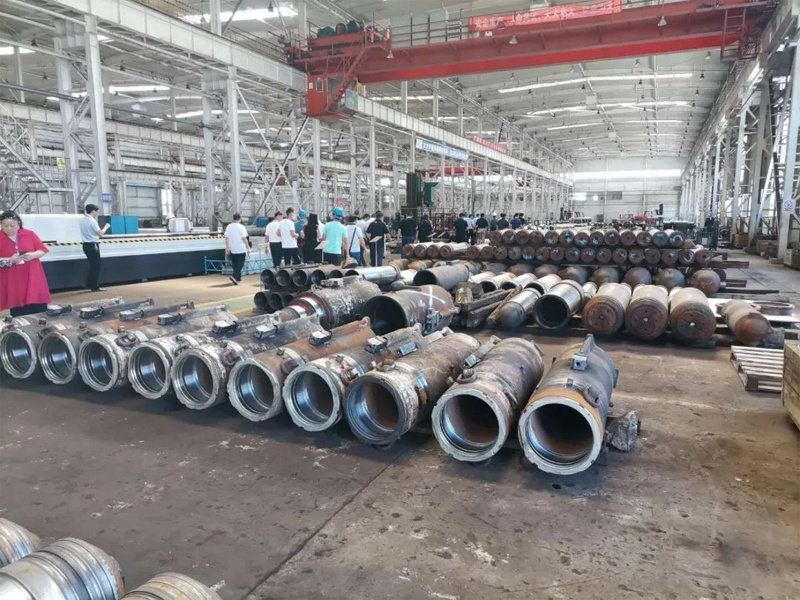
Nowadays, laser cladding technology has a wide range of applications. Compared with other laser processing technologies, laser cladding technology has unparalleled advantages in terms of diversity, scalability, and adaptability. Laser cladding technology not only creates specific functional needs on the surface of raw materials, but also saves a large amount of precious elements, making it quite popular in the industry. Hydraulic rod laser cladding manufacturers indicate that after decades of development, laser cladding technology has been widely used, especially in industrial applications such as petroleum, shipbuilding, aerospace, engineering machinery, and nuclear power.
08-08
Laser cladding, also known as laser cladding or laser cladding, uses high-energy lasers as a heat source and metal alloy powder as welding material. The laser and alloy powder (or wire) act on the metal surface synchronously, rapidly melting to form a molten pool, and then rapidly solidifying to form a dense and uniform metallurgical bonding layer with controllable thickness. Hydraulic rod laser cladding manufacturers indicate that compared with many traditional surface treatment technologies, laser cladding technology has the following obvious advantages and characteristics:
07-27
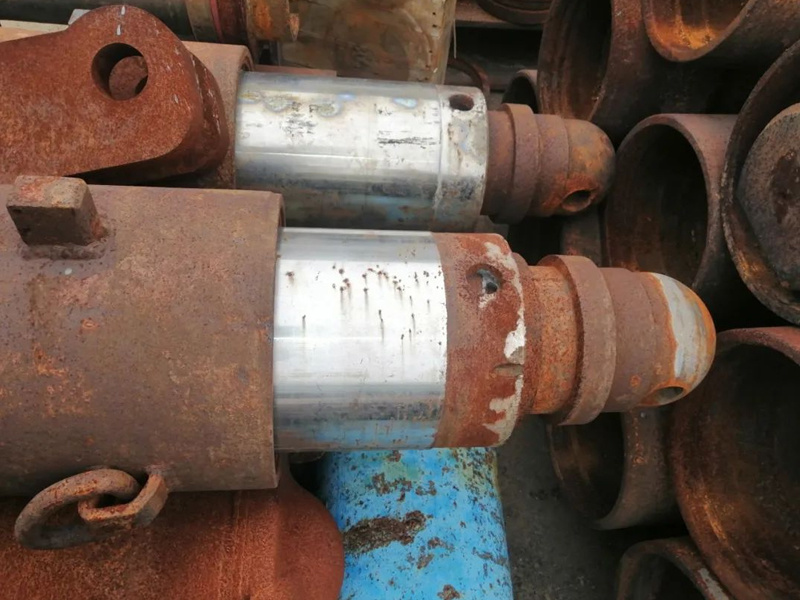
Hydraulic support laser cladding manufacturers believe that laser cladding is a surface strengthening method. By using different filling methods, the coating material is pre-placed or synchronously fed into the surface of the cladding substrate. Then, a thin layer is cladded on the surface of the substrate by high-energy laser irradiation. After rapid solidification, a cladding layer with low dilution rate and metallurgical bonding with the substrate is formed, thereby improving the wear resistance, corrosion resistance, heat resistance, oxidation resistance and electrical properties of the substrate surface.
07-18
Some common sense about laser cladding, explained by a hydraulic support laser cladding manufacturer
Hydraulic support laser cladding manufacturers believe that laser cladding technology developed in the 1970s, with a laser power density distribution range of 104~106W/cm2, between laser quenching and laser alloying. Laser cladding is the rapid heating and melting of alloy powder or ceramic powder with the substrate surface under the action of a laser beam. After removing the laser beam, self-excited cooling forms a surface cladding layer with extremely low dilution rate, which is metallurgically bonded to the substrate material.

Add WeChat

Hotline:13071269592 13807154065
Company Address: Thermal Spray Industrial Park, Yinhu Avenue, Sanli Town, Huangpi District, Wuhan City


Copyright © Wuhan Gaoli Thermal Spray Engineering Co., Ltd. Chinese Websites: Laser Cladding.online / Thermal Spray.online / Plasma Cladding.online
Powerby: CEGlobal Page Keywords: Hydraulic Prop Laser Cladding, Hydraulic Prop Laser Cladding Equipment, Plunger Rod Laser Cladding Equipment, Hydraulic Support Laser Cladding Equipment, Laser Cladding as a Substitute for Electroplating, Hydraulic Rod Laser Cladding Equipment, Laser Cladding